

Cognitive Edge Node
AI-powered edge connectivity and computing node for mission-critical operations

Nokia Cognitive Edge Node: rugged edge computing and connectivity for mission-critical operations
Mission-critical operations depend on reliable connectivity, Mission-critical operations depend on reliable connectivity, real time information and fast decision making. But the nature of their operating environment makes this extremely difficult with connectivity disruptions, fragmented data and limited local processing reducing visibility and operational performance.
The Nokia Cognitive Edge Node is a rugged communications and edge computing node that transforms fixed and mobile assets into intelligent operational nodes. By combining multi-access network connectivity, embedded AI and local data processing, it extends visibility, automation and control across the operational environment.
Available in multiple configurations, Cognitive Edge Node supports 5G/LTE, Wi Fi, satellite-ready communications, LoRaWAN, CANBus and high-precision GNSS, enabling organizations to connect sensors, cameras, operational systems and field assets into a single intelligent operational network.
Connectivity is stabilized across the environment, critical data transfers are reliable and efficiently processed on vehicle and the overall quality of operational information drives fast, site-wide decision making.
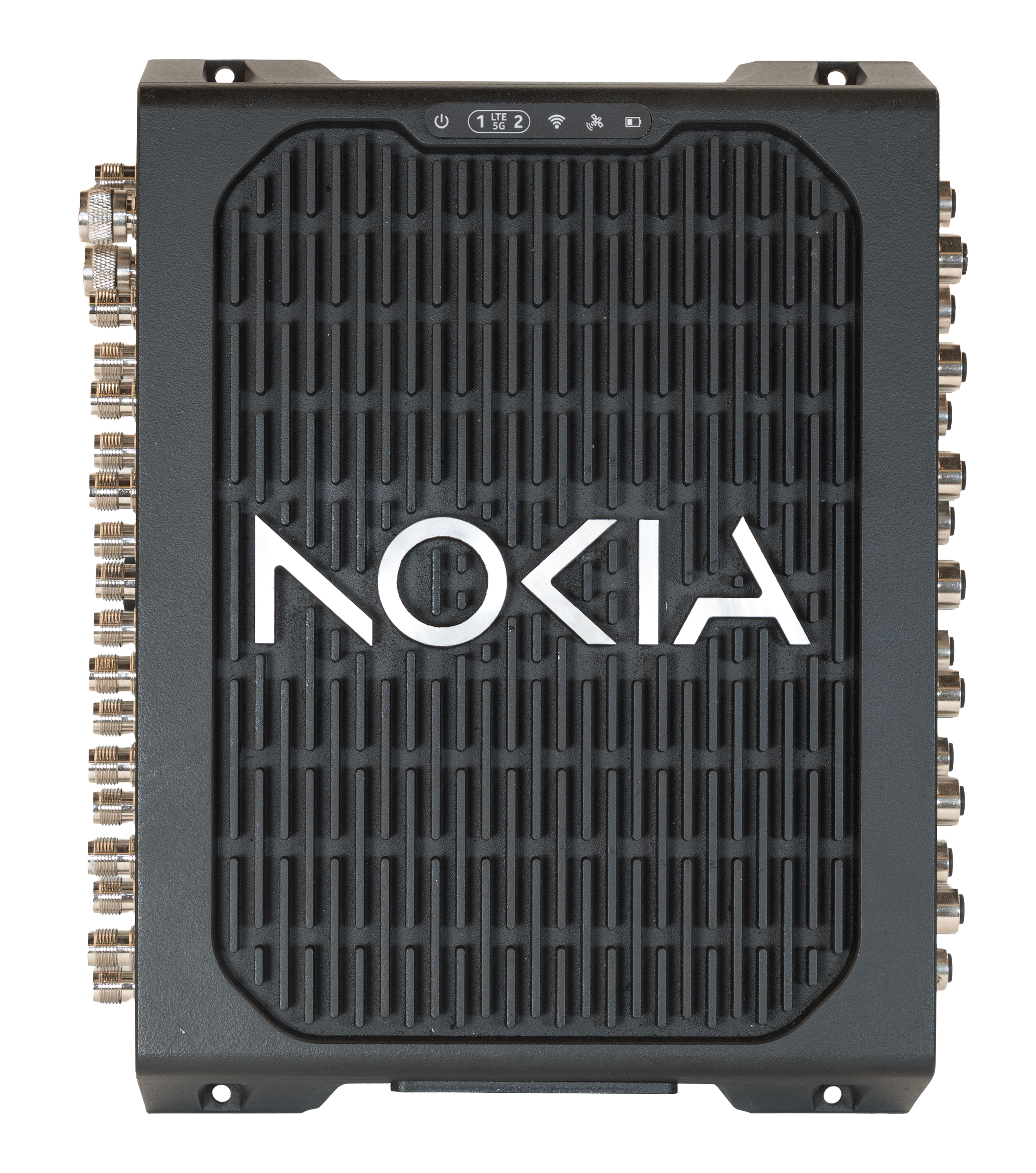
How do you connect, compute and act at the operational edge?
Organizations must manage people, vehicles, equipment, sensors and infrastructure spread across large and often remote operational areas. Maintaining reliable connectivity and visibility across these environments can be difficult, particularly when assets are constantly moving.
Connectivity cannot be guaranteed by a single network
Mission-critical operations depend on continuous communications, yet coverage conditions can change rapidly due to terrain, distance, congestion or infrastructure limitations. No single access technology can reliably support every situation.
Critical decisions require real-time intelligence
Operational data is often generated at the edge but processed elsewhere. This can introduce delays and reduce responsiveness when decisions need to be made immediately.
Organizations struggle to correlate operational data
Operations teams often monitor multiple systems independently, making it difficult to understand how network, application and asset performance impact overall operations.
Downtime is becoming more expensive
As operations become increasingly digital, the cost of connectivity failures, application degradation and equipment downtime continues to rise. Organizations need to identify and address problems before they affect operations.
AI workloads are moving to the edge
Applications such as video analytics, fatigue monitoring, collision avoidance and autonomous operations require local processing capabilities that traditional communications devices cannot provide.
Key benefits
How can you maintain connectivity in any environment?
Connect fixed and mobile assets using 5G, LTE, Wi Fi, satellite-ready communications and LoRaWAN. Intelligent network selection and failover help maintain reliable communications across remote and challenging operational environments.
How can AI improve decisions at the operational edge?
Process data where it is created to reduce latency and improve responsiveness. Embedded AI and edge computing support real-time analytics, automation and operational decision-making without relying on cloud connectivity.
How can you improve operational awareness in real time?
Monitor assets, network performance and operational conditions through a single connected node. Correlated telemetry and operational data provide greater visibility, helping teams identify issues faster and make informed decisions.
How can you prevent issues before they affect operations?
Use SLA monitoring, predictive analytics and automated root-cause analysis to identify performance degradation before it affects critical services. Shift from reactive troubleshooting to proactive operational management.
How can you future-proof mission-critical operations?
Deploy new applications and services on an open, software-defined platform designed to evolve with operational needs. Support innovation through containerized applications, remote updates and modular expansion capabilities.
Features and capabilities
Maintain connectivity in any environment
Combine 5G, LTE, Wi Fi, satellite-ready communications and LoRaWAN connectivity to keep fixed and mobile assets connected across remote, dynamic and challenging operational environments. Intelligent failover and network diversity help ensure continuous operations.
Bring AI-driven intelligence to the edge
Process data where it is generated using embedded AI and optional GPU acceleration. Support real-time analytics, video processing, fatigue detection, collision avoidance and operational automation without relying on cloud connectivity.
Connect assets, sensors and operational systems
Integrate operational technologies, cameras, sensors, CANBus devices and field systems through a single ruggedized node. Extend visibility across stationary and transportable assets while simplifying data collection and operational integration.
Gain real-time operational awareness
Correlate telemetry, device status, network performance and application data to create a complete view of operations. Improve visibility, accelerate troubleshooting and make faster operational decisions with greater confidence.
Future-proof mission-critical operations
Deploy new applications and services on an open, software-defined platform that supports containerized workloads, remote updates and modular expansion. Adapt to evolving operational requirements without replacing infrastructure.
Applications and deployment cases
Cognitive Edge Node enables secure, resilient connectivity and edge intelligence across mission-critical environments. Whether deployed on mining vehicles, emergency response assets or defense platforms, it connects people, systems and operational technologies while processing critical data locally to improve visibility, responsiveness and operational control.
Cognitive Operations for mining
Creates a common operational picture across the mine by connecting workers, vehicles, equipment and operational systems into a single real-time view. Improve safety, optimize resource utilization and respond faster to changing conditions with greater visibility, coordination and control.
Cognitive Operations for emergency services
Provides emergency services with a real-time operational view that connects responders, vehicles, communications and incident data. Improve situational awareness, implement Vehicle-as-a-Node, coordinate resources more effectively and make faster decisions during rapidly evolving events such as fires, floods and major public safety incidents.
Cognitive Operations for tactical operations
Delivers a common operational picture across stationary and transportable defense assets, communications systems and operational data sources. Improve situational awareness, accelerate command decision-making and enhance force coordination with a real-time view that supports mission effectiveness in dynamic operational environments.
How can you connect people, assets and operations into one view?
The Nokia Cognitive Edge extends connectivity across the operational environment, linking transportable and stationary assets into a single operational view. With a variety of models to match the environment, the Cognitive Edge provides real time visibility of asset location, status and performance, enabling organizations to maintain situational awareness, improve coordination and make faster, more informed decisions.
Solution
Enabling mission-critical teams to make faster, better-informed decisions with real-time operational awareness.
Nokia Cognitive Operations
As a core component of the Cognitive Operations solution, Cognitive Edge NodePlatform connects people, assets and operational data at the source. By combining resilient connectivity, edge AI and local processing, it helps create the real-time operational picture needed to improve situational awareness, coordination and decision-making.
Customer success stories

Customer success

Video
Faster, safer broadband for Saudi Arabia: Inside ACES's Nokia-powered network

Video
Fibertime and Nokia: bringing broadband to South African townships

Video
Cloud discipline for on-prem network infrastructure: Nokia IT’s requirements for NetOps

Video
From CLI to NetOps: How Nokia IT modernized its data centers

Video
Live migration, no disruption: How Nokia modernized brownfield data center networks

Video
Make intent verifiable: Nokia IT’s new data center fabric with Nokia SR Linux & Nokia EDA

Video
Connecting those who protect: City of San Diego's public safety communications network

Customer success

Customer success

Case study
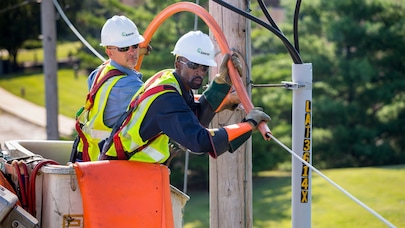
Transpower: Powering New Zealand’s grid transformation
Case study

Customer success

Customer success

Video
How Nokia is powering Bangkok’s new orange line metro

Customer success
Customer success

Customer success

Customer success story

Customer success
Frequently asked questions
Cognitive Edge Node is a rugged communications and edge computing node designed to connect, process and act on operational data at the source. It transforms fixed infrastructure, mobile equipment and field assets into intelligent operational nodes by combining multi-network connectivity, embedded AI and local computing in a single device.
The node supports multiple communications technologies, including 5G, LTE, Wi Fi, satellite-ready communications, LoRaWAN and GNSS positioning, allowing organizations to maintain reliable connectivity across challenging and remote environments. It can connect operational technologies, cameras, sensors, CANBus systems and field devices through a common node.
Unlike traditional gateways or routers, Cognitive Edge Node can process information locally using embedded edge computing and optional GPU acceleration. This enables organizations to run AI-powered applications such as video analytics, fatigue monitoring, collision avoidance, operational automation and predictive analytics directly at the edge, reducing latency and dependence on cloud connectivity.
By combining connectivity, local intelligence and operational awareness, Cognitive Edge Node helps organizations improve visibility, automate decision-making and maintain operational continuity across mission-critical environments such as mining, emergency services, defense, transportation and energy.
Mission-critical operations often depend on assets operating across large, remote and constantly changing environments where communications can be affected by terrain, congestion, infrastructure limitations and mobility. Cognitive Edge Node addresses this challenge through a resilient multi-network architecture that combines 5G, LTE, Wi Fi, satellite-ready communications and LoRaWAN connectivity within a single node.
The node supports dual 5G/LTE modems, enabling redundant communications paths and intelligent network selection based on factors such as signal quality, latency and availability. It can seamlessly switch between available wireless technologies and maintain connectivity as assets move between coverage areas.
Cognitive Edge Node also supports WAN diversity, mesh networking capabilities, satellite integration and intelligent traffic steering, helping organizations maintain communications even when network conditions change unexpectedly. These capabilities are particularly valuable for vehicles, autonomous equipment, transportable assets and remote operational sites where uninterrupted connectivity is essential.
By continuously monitoring network performance and selecting the most appropriate connectivity path, Cognitive Edge Node helps reduce communication disruptions, improve operational resilience and ensure critical applications remain available when they are needed most.
Cognitive Edge Node brings processing power, operational awareness and AI capabilities directly to where data is generated. Instead of sending all information to a central data center or cloud platform for analysis, the device can process data locally and provide immediate insights and actions.
The node supports embedded AI and optional GPU acceleration, enabling advanced edge applications such as video analytics, fatigue detection, collision avoidance, operational monitoring and predictive maintenance. Processing data locally helps reduce latency, conserves bandwidth and enables faster responses to operational events.
Cognitive Edge also Node correlates telemetry, device health, network performance and application-level information to provide a more complete understanding of operational conditions. Through SLA monitoring, anomaly detection and predictive analytics, organizations can identify developing issues before they impact operations and shift from reactive to proactive management.
By combining local intelligence, AI-driven analytics and resilient connectivity, Cognitive Edge Node enables organizations to make faster decisions, improve situational awareness and automate operational processes closer to the point of action. This helps improve safety, productivity and operational performance across mission-critical environments.
Learn more

Video
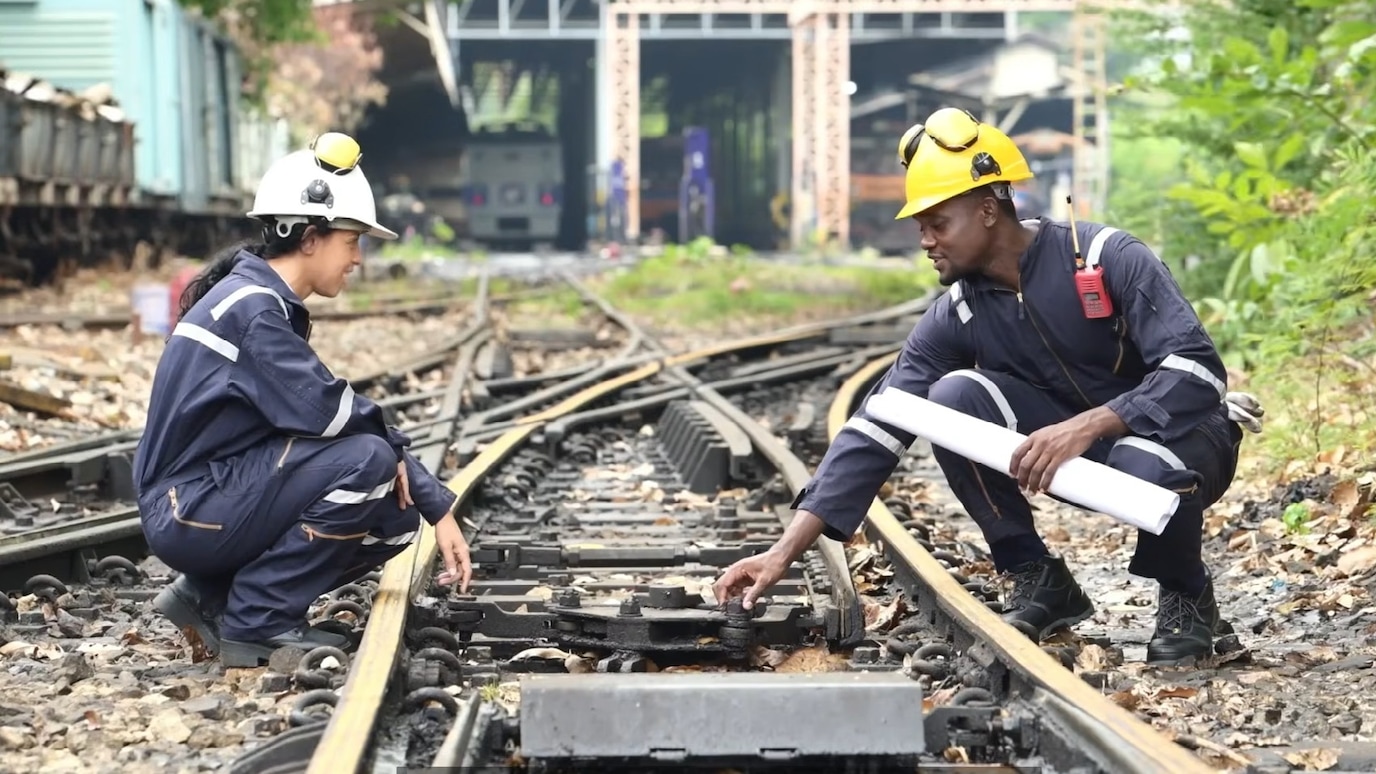
MORANE-2 FRMCS validation at Nokia
Video
FRMCS connectivity powered by Nokia Core Enterprise Solution

Video
Faster, safer broadband for Saudi Arabia: Inside ACES's Nokia-powered network

Video
Fibertime and Nokia: bringing broadband to South African townships

Blog

Webinar
Video
Network modernisation across Air Traffic Management: Why ANSPs are embracing IP/MPLS

Video
Advanced connectivity for Physical AI
Do you want to know more?
Please complete the form below.
The form is loading, please wait...
Thank you. We have received your inquiry. Please continue browsing.